Apps & Tools
First Vet Visit After Adopting a Rescue Dog: What to Prepare
A practical first-visit checklist for a newly adopted rescue dog: gather available records, note what you observe and prepare questions for your veterinarian.
Published October 9, 2026 · Michael at Yuzool
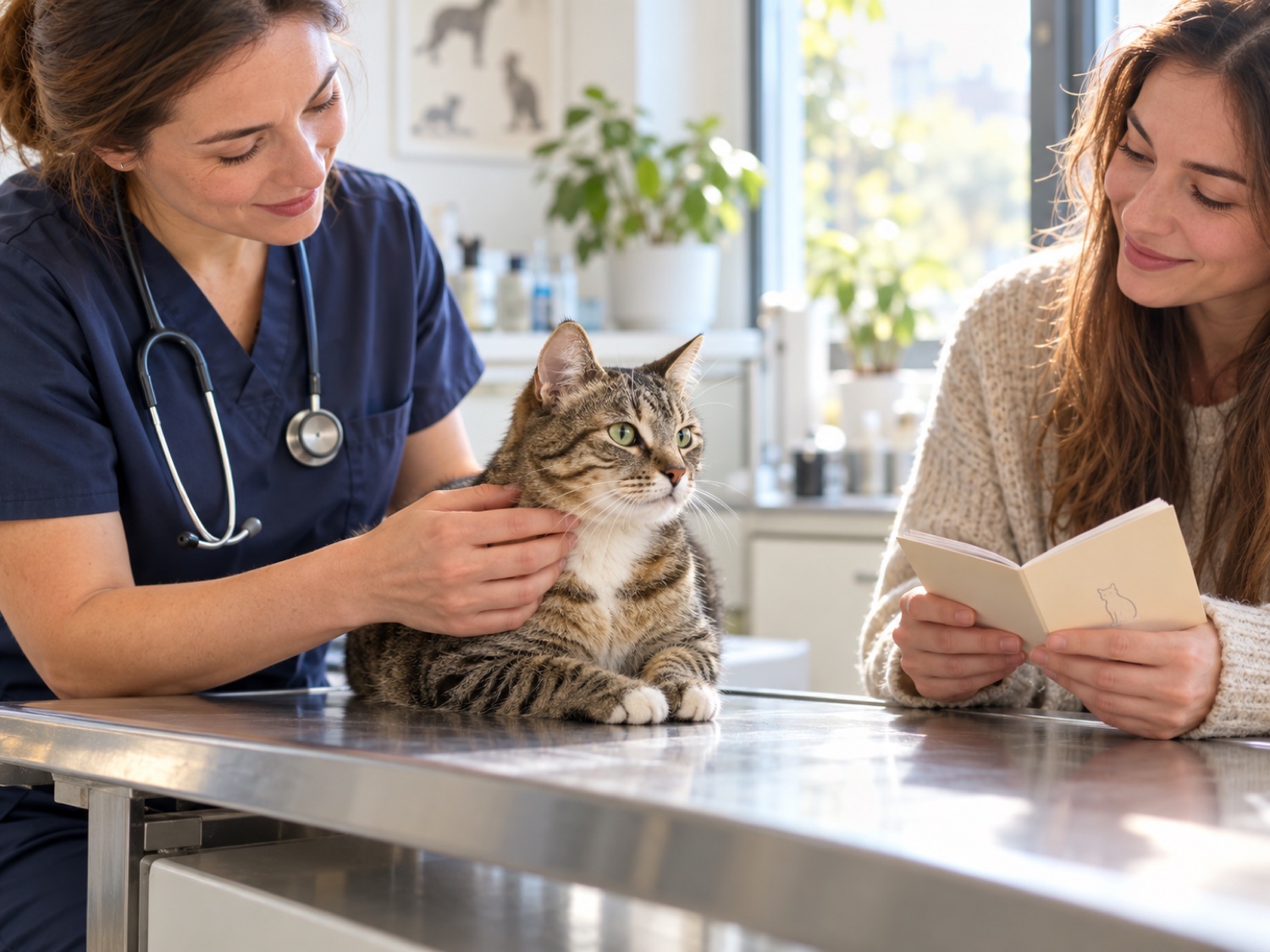
Adopting a rescue dog can come with a folder of records, a few photos of paperwork—or almost no history at all. The first veterinary appointment is a chance to establish a reliable starting point, not to arrive with every answer already known.
The goal is simple: bring what you have, say what you do not know, and leave with clear next steps from the veterinary team.
Gather the records that already exist
Before the appointment, collect the adoption paperwork and any available vaccination, medication, microchip, surgery or previous-visit records. If documents are digital, save the originals somewhere easy to open; a photo of a page can be useful, but do not assume every clinic can read a partial or blurry image.
Write down the name of the shelter, rescue group or previous clinic and any contact details you have. Ask the rescue organization whether additional records can be sent directly to your veterinarian. If a date, medicine or vaccine is unclear, label it as unknown rather than guessing.
Missing history is common. Your vet can tell you which details matter, whether a record can be confirmed and what follow-up is appropriate for this particular dog.
Make a short observation list
For a few days before the visit, note changes you have actually observed: eating or drinking patterns, sleep, energy, bowel movements, itching, coughing, limping or behavior that seems different. Include when you noticed it and whether it changed. Keep the wording neutral; “scratched several times after the evening walk” is more useful than trying to diagnose the cause.
If the dog is taking a medicine, copy the product name and directions from the label or the rescue team’s written instructions. Bring the packaging or a clear photo if you are unsure. Do not start, stop or change a medicine based on a checklist or online article.
Prepare questions while they are fresh
New owners often remember the big question and forget the small practical ones. Consider writing down:
- Which records are still missing, and who can request them?
- What should I watch for as my dog settles into a new home?
- Which preventive-care decisions should we discuss for this dog?
- Are the current instructions clear, and when should we check in again?
- Who should I contact if a concern comes up after the appointment?
The answers depend on the dog’s history, location and veterinary advice. Use the questions as prompts, not as a treatment plan.
Leave with the next step written down
Before leaving, confirm any follow-up date, test instructions, medication directions or referral details with the clinic. Repeat back instructions if you are uncertain. Ask how you will receive results and whom to call with a question. Then add the visit summary to your records while the details are still easy to remember.
For a printable page, use the free vet visit prep sheet to collect your observations, records checklist and questions. It runs in your browser and is an organizer—not veterinary advice.
Keep the record useful after the first week
The first visit creates a baseline, but the record becomes more useful as it stays current. Save new documents, note the date of each visit and keep the source of any instruction visible. If another person helps with care, share only the details they need and agree on who updates the record.
PawKeep is an iPhone app for keeping pet vaccines, medication, visits and care notes together, with private iCloud sharing when you choose to use it. It is a record-keeping tool; your veterinarian remains the source for medical guidance.