Notes from a one-person hardware startup
Hardware makes every assumption physical: supply, packaging, support, and the shape of the thing in a person’s hand.
Read the postYuzool / Topic
Making is a way of paying attention. These notes follow the decisions, constraints and small acts of care behind good work.
Explore the archive
Practical notes, odd corners and useful context from the Yuzool editorial.
Hardware makes every assumption physical: supply, packaging, support, and the shape of the thing in a person’s hand.
Read the postA small team can move quickly when the product has a clear centre and the decisions stay close to the work.
Read the postGood design reduces the distance between noticing something and doing the next useful thing.
Read the post
Prepare a clear Mac app directory listing with accurate copy, working links, useful screenshots and trackable referrals—without duplicate or outdated submissions.
Read the post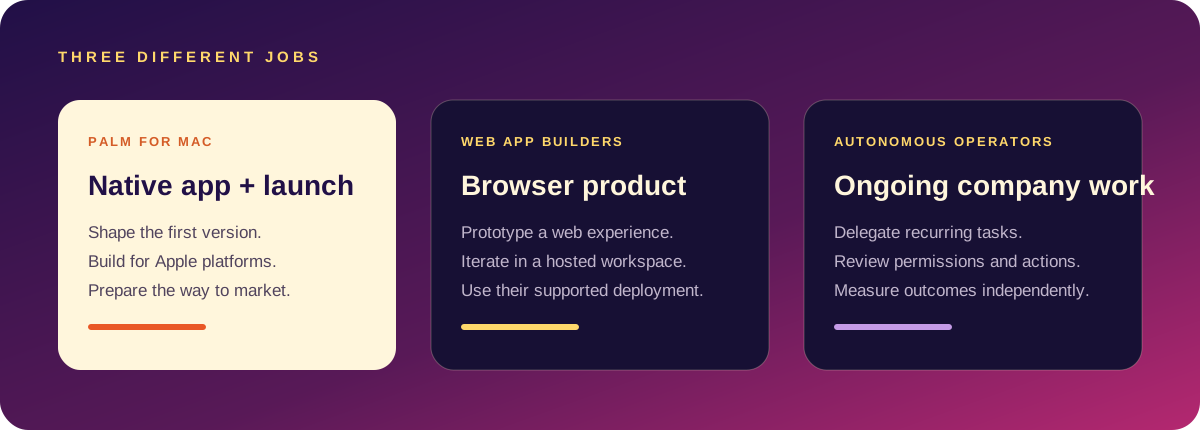
A practical product positioning brief for indie developers: define the audience, problem, alternative, promise and proof before writing your app page.
Read the post
A practical guide to writing a useful indie app launch email: explain the problem, show what changed, invite a small next step and follow up respectfully.
Read the post
A practical indie app press kit checklist covering screenshots, product facts, founder details, links and a concise pitch journalists can use.
Read the post
A measured 90-day Google Search Console routine for a new website: confirm indexing, establish a baseline, inspect queries and choose the next page to improve.
Read the post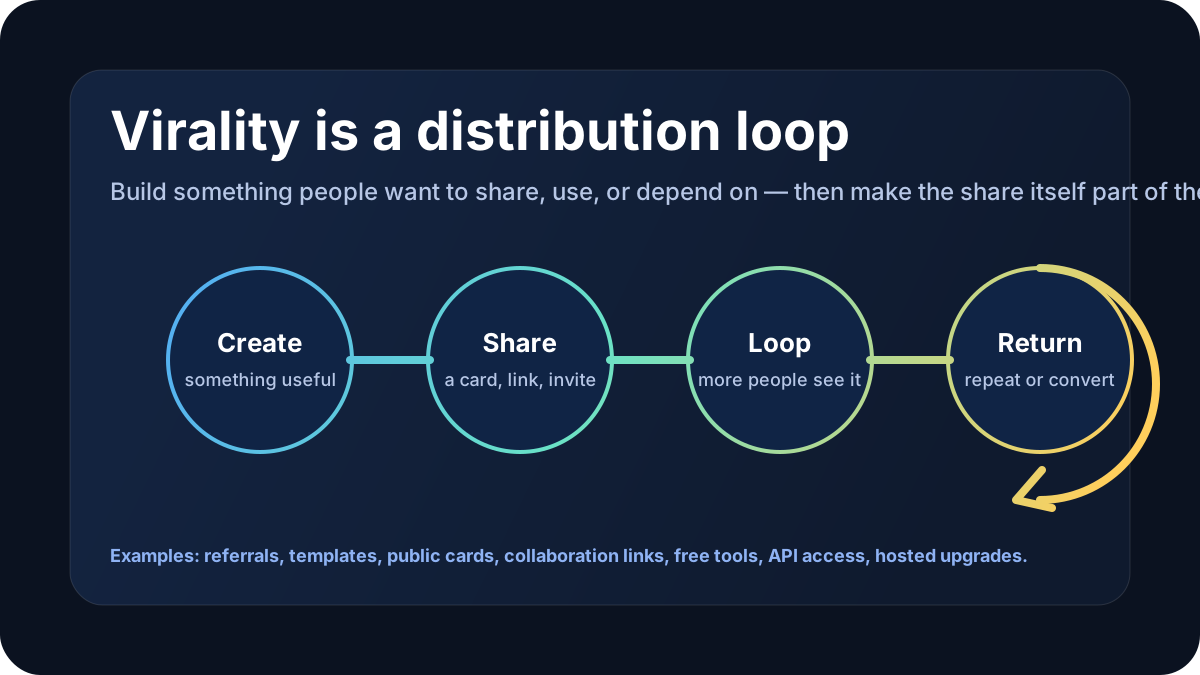
Track Product Hunt visits beyond launch-day upvotes: tag links consistently, check landing pages, measure key actions and separate referrals from campaign traffic.
Read the postA simple way to measure visits from Pinterest: use consistent UTM tags, check analytics landing pages, and separate Pin clicks from engaged website sessions.
Read the postPinterest outbound clicks and website sessions measure different things. Learn what each number means and how to troubleshoot a reporting gap.
Read the postUse a consistent Pinterest UTM template to tell which organic Pins bring website visits, without making campaign reports messy.
Read the post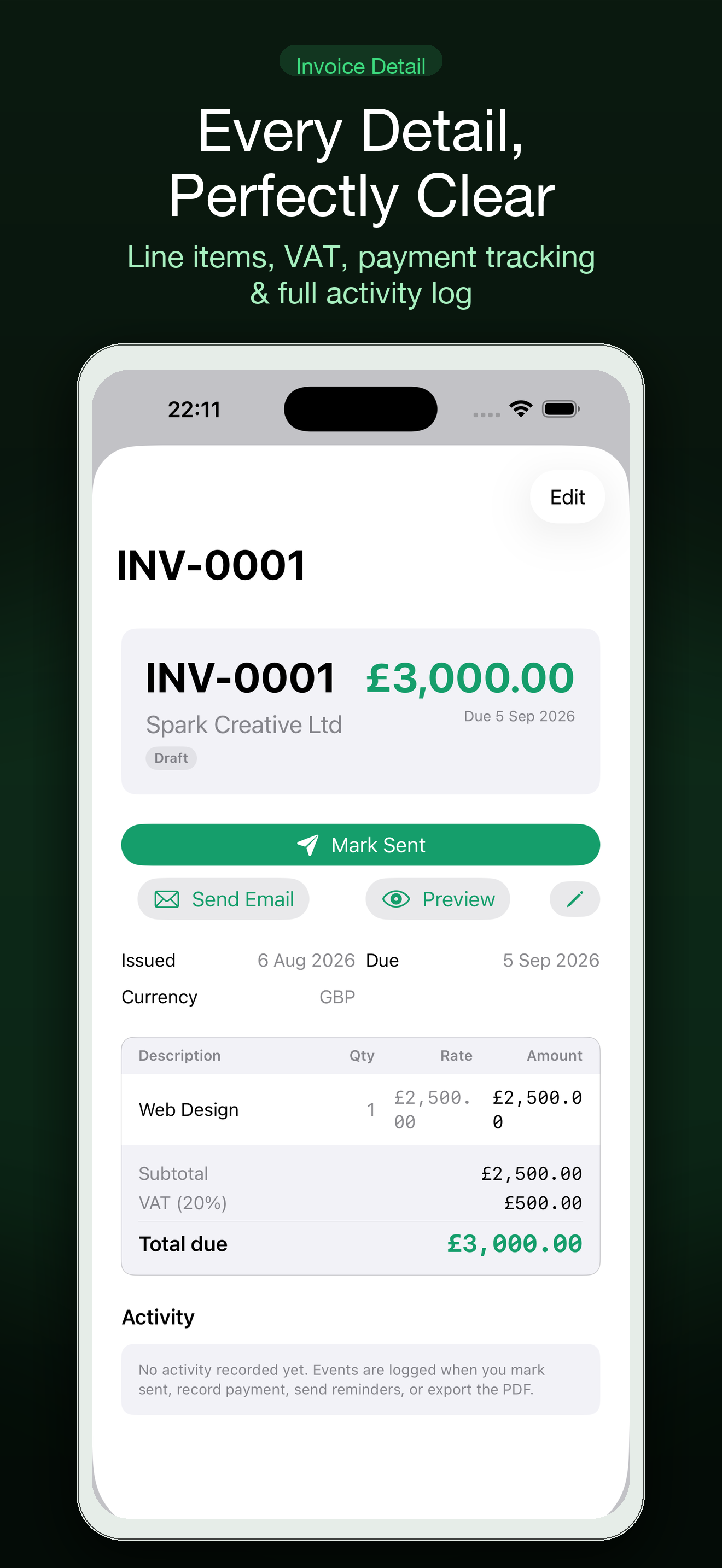
A clear workflow for quoting, invoicing a project deposit and billing the remaining balance, with milestone wording that helps clients understand what is due.
Read the post
Turn a rough app idea into a practical launch plan on Mac: define the first user, shape the promise, list launch assets and choose the smallest useful release.
Read the post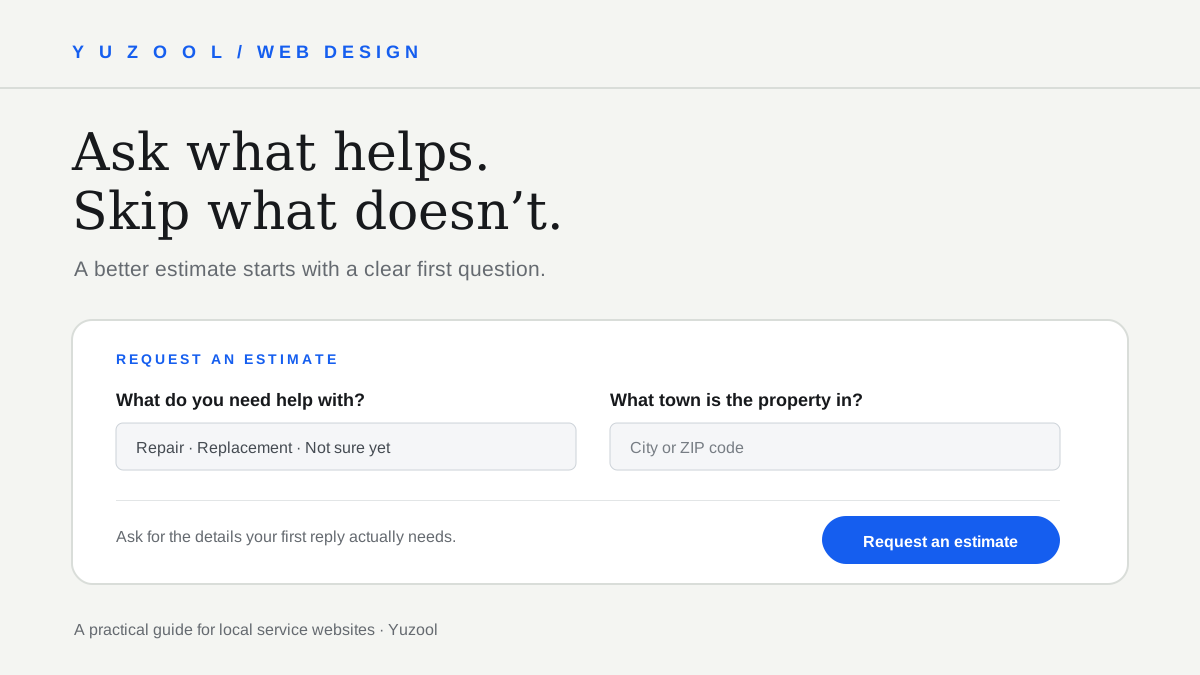
A practical home-service quote form checklist: the details contractors need to respond, what to leave optional, and how to make the next step clear.
Read the post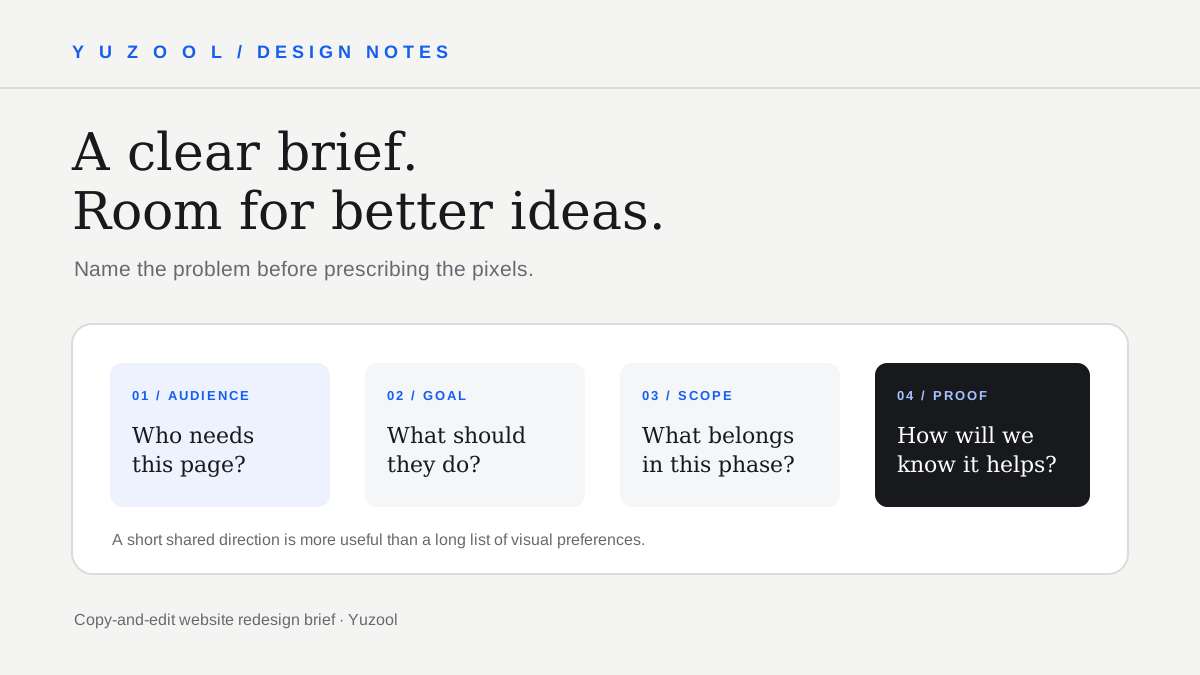
Use this website redesign brief template to explain the audience, business goal, pages, content, constraints, examples and success measures before design starts.
Read the post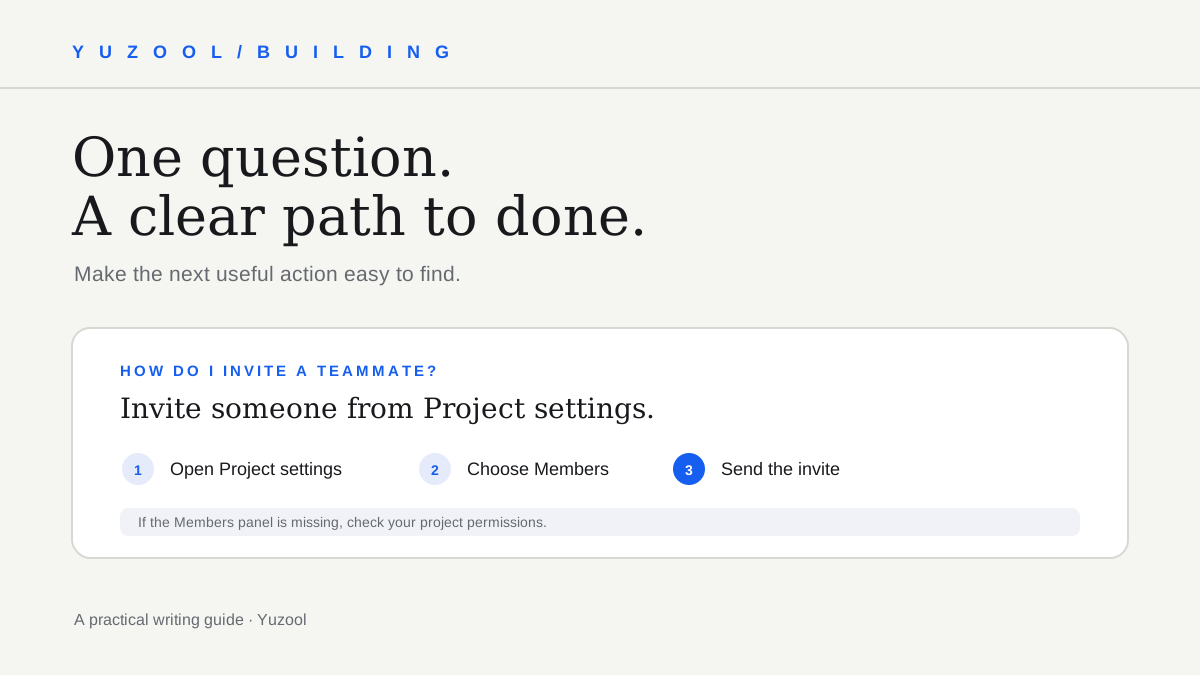
A practical structure for writing help-center articles that answer one question, guide each action, cover likely snags and stay maintainable for a small software team.
Read the post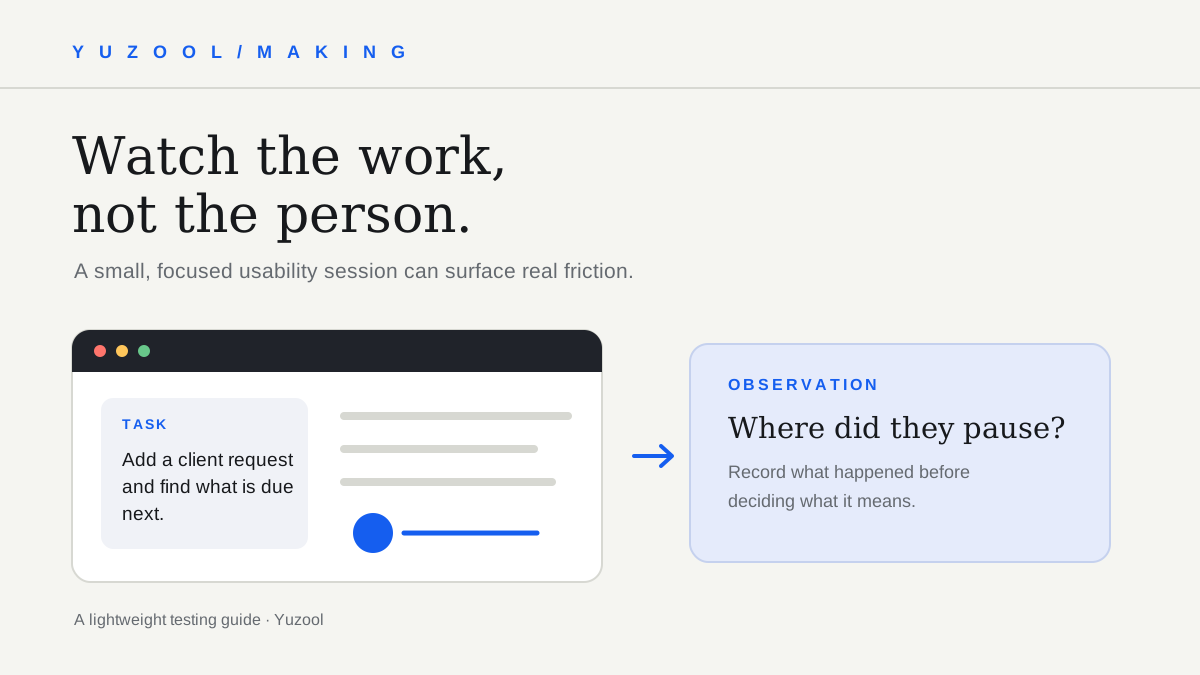
A practical plan for testing a small web app with real users: choose one task, recruit relevant participants, observe without leading, and turn findings into fixes.
Read the postA practical structure for app release notes: explain what changed, who benefits, what to do next, and any limitation users should know.
Read the post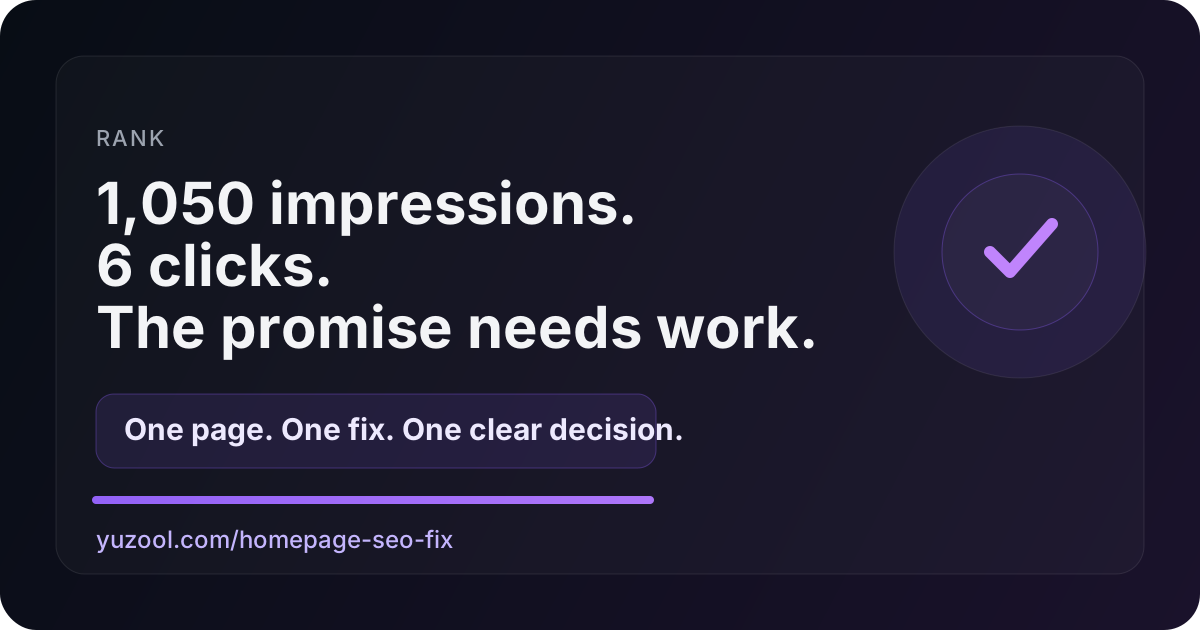
Use this one-page software project brief template to define the user, problem, outcome, constraints, non-goals and first test before building.
Read the post
A practical guide to writing App Store screenshot captions that explain an app quickly: lead with the job, show the workflow and make every frame earn its place.
Read the post
A practical app launch page checklist for indie developers: explain the job, show the product, build trust and give visitors one obvious next step.
Read the post
A realistic weekly planning method for freelancers and independent workers when deadlines move, priorities change and the original plan stops matching the week.
Read the postA practical indie software launch page checklist covering the promise, audience, proof, screenshots, pricing, privacy and the one action a visitor should take next.
Read the post
A practical product page structure for a small software business: clear positioning, useful proof, honest limits, search intent and a confident next step.
Read the post
A practical distribution rhythm for small software products: turn support questions, product decisions and useful examples into a steady stream of discoverable content.
Read the post
A practical guide to designing a small software homepage that explains the product quickly, earns trust and gives every visitor a useful next step.
Read the postThe simple build-in-public content loop Yuzool uses to turn product decisions, support questions and release work into useful editorial.
Read the postA lean App Store launch asset checklist covering screenshots, icons, copy, support pages, release notes and the small details that make an indie app easier to trust.
Read the post
A maker profile of the one-person software studio: why product decisions, support, writing and distribution increasingly belong in the same working notebook.
Read the post