Apps & Tools
What to Record After Adopting a Rescue Dog
A practical first-month record checklist for a newly adopted dog: known history, vet visits, medicines, vaccines, microchip details and unanswered questions.
Published October 7, 2026 · Michael at Yuzool
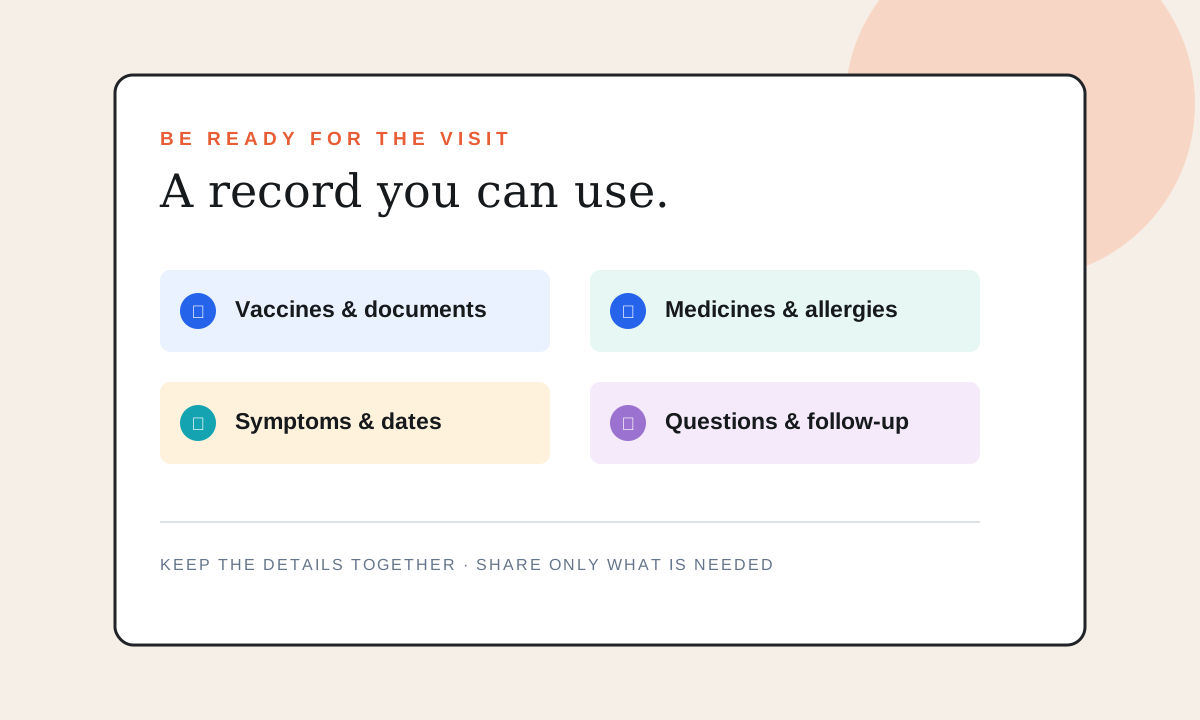
Adopting a rescue dog often means starting with an incomplete history. You may receive vaccination paperwork, a few notes from the previous carer and a long list of questions that can only be answered over time. A simple record helps you separate what is confirmed from what still needs checking.
Begin with the information you actually have
Save the adoption or transfer paperwork, the organisation's contact details, the dog's microchip number and any dates or treatments supplied. Note where each detail came from and when you received it. If a date is approximate or a vaccine history is unclear, label it that way rather than treating it as confirmed.
Keep practical identifiers together too: the name the dog responds to, food currently being used, known sensitivities, and the contact details for the rescue organisation. These details help you make a clear handoff to a vet, sitter or family member.
Use the first veterinary visit to establish a baseline
Bring the records you were given and ask the veterinary team which information needs verification. Write down the date of the visit, the clinic's instructions, any follow-up appointment and the questions you want answered later. Ask the clinician what schedule or next steps apply to your particular dog; avoid relying on a generic online timetable.
When you receive new information, add it with its date and source. A dated note is more useful than a single undifferentiated list because you can tell what was known at adoption and what was confirmed afterward.
Track changes without trying to diagnose them
For the first few weeks, short observations can help you describe changes accurately: appetite, routine, weight if your vet asks you to monitor it, and any concern you want to raise. Record what you noticed and when. Do not use a personal log to diagnose a symptom or change a treatment plan; contact your veterinarian for advice.
Keep medicine names and directions exactly as provided by the clinic, together with the date they started and any review instructions. If something is unclear, confirm it with the prescribing professional rather than interpreting a note from memory.
Make the record useful to the whole household
Choose one dependable place for the current information, then tell the other caregivers where it is. Before a sitter takes over, share the dog's everyday routine, the vet's contact details, emergency contacts and the location of any written instructions. Only share private details with people who need them to care for the dog.
PawKeep is an iPhone pet-health record for details such as vaccinations, medications, vet visits, documents and emergency information. It can give a new dog's history a home as it grows, but it is not a diagnostic service and does not replace veterinary guidance.
The best record is not the longest one. It is a current, dated summary that makes it easier to explain what you know, what you observed and what you still need to ask.