Apps & Tools
A Boxing Workout App for a Small Apartment
How to build a quiet boxing workout in a small apartment with short rounds, clear combinations and enough structure to keep practising without a bag.
Published September 26, 2026 · Michael at Yuzool
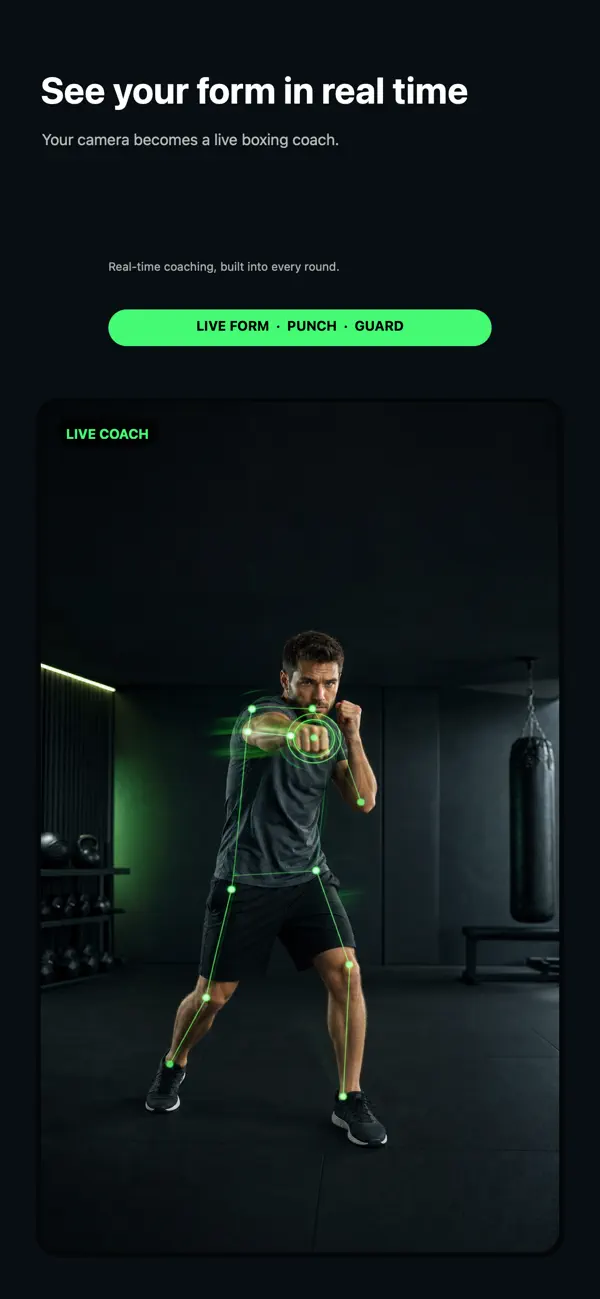
You do not need a garage, a heavy bag or a spare room to practise boxing basics. A small apartment can support a useful boxing workout if the session is quiet, the footwork stays controlled and the rounds have a clear purpose.
The hardest part is often deciding what to do next. A boxing workout app can provide the rhythm and combination prompt so you spend less time searching for drills and more time moving with intent.
Make the room part of the plan
Clear a rectangle roughly the width of your stance plus one step in each direction. Move fragile objects, check the ceiling fan and use a surface that will not slide under your feet. You do not need to travel far. Small steps, pivots and weight transfers are enough for a focused session.
Keep the volume down by using controlled footwork instead of jumping. Shadowboxing should feel athletic, but it does not need to sound like a sprint across the floor.
Use short rounds with one job each
An apartment session is easier to repeat when it has a beginning and an end. Try a simple structure:
- two minutes of relaxed movement and breathing;
- three short rounds focused on one combination or defensive action;
- one final round where you join the pieces together;
- a quiet cooldown and a note about what felt difficult.
The aim is not to cram every punch into one workout. A round devoted to stance, guard recovery or returning the hand after a jab can be more useful than a long sequence performed without attention.
ShadowCoach gives solo boxers guided combinations, round structure and feedback designed for practising at home. It is a useful companion when you want more direction than a random video but do not have space for equipment.
Keep combinations readable
In a small space, simple combinations are easier to perform well. Start with a jab-cross, then add a controlled step or slip. Return to your stance after each sequence. If the combination becomes too fast to remember, reduce it to the last two movements and rebuild it.
Use the prompt as a starting point rather than a race. Your shoulders should stay relaxed, your breathing should remain available and your feet should not cross when you change direction. If you are new to boxing, a qualified coach can help you learn safe technique and adjust the session to your needs.
Use feedback without chasing perfection
Video or sensor-based feedback can be useful for noticing rhythm, pauses and consistency. Treat it as information, not a medical or coaching diagnosis. One awkward round is not a verdict. Look for a pattern across several sessions: do you drop the rear hand, stop breathing or lose your stance when the combination changes?
Write down one thing to repeat and one thing to improve. That keeps the next session specific without turning practice into a performance review.
A repeatable home routine
The most effective boxing workout app is the one you open again. Put the gloves or hand wraps in the same place, choose a time when neighbours are unlikely to be disturbed and keep the first session short enough that you finish wanting another round.
You can build intensity gradually through cleaner movement, better timing and more consistent rounds. You do not need to make every workout harder. Sometimes the useful session is the one that keeps the habit alive.
For structured boxing practice in a small room, explore ShadowCoach for iPhone. Start with a few quiet rounds, keep the combinations clear and let consistency do the work.