Apps & Tools
GLP-1 Follow-Up Appointment Notes: A Neutral Preparation Checklist
Prepare for a GLP-1 follow-up by organizing your current prescription details, personal observations and questions without trying to interpret or change treatment.
Published October 9, 2026 · Michael at Yuzool
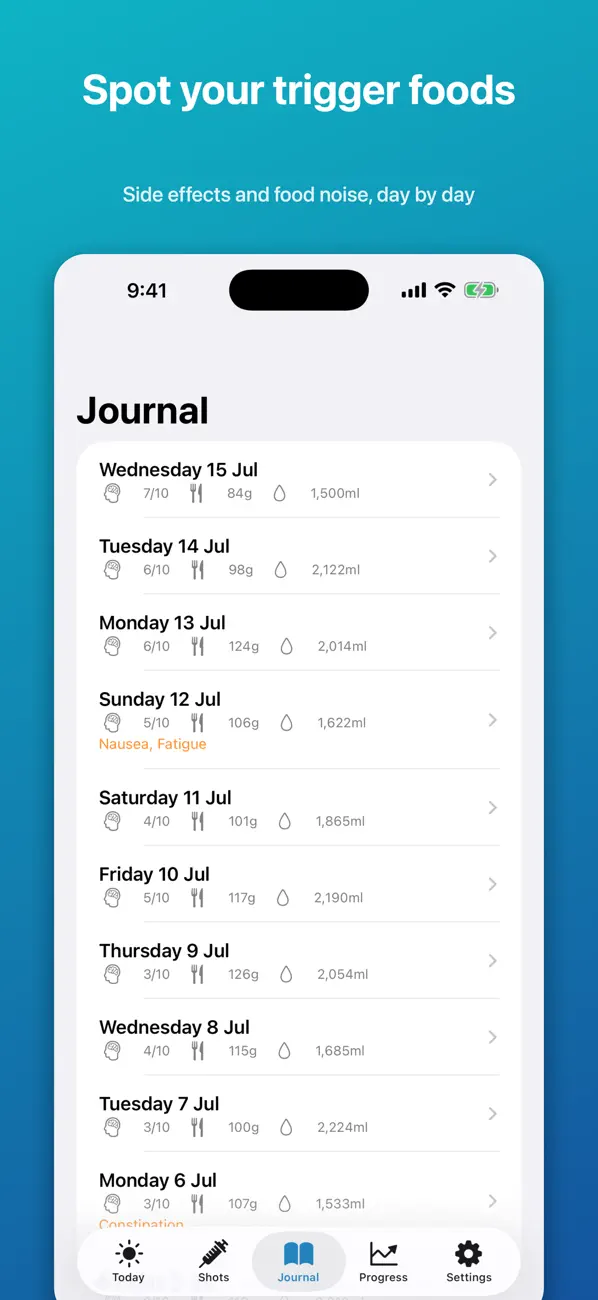
It can be hard to summarize several weeks of a changing routine from memory. A short, neutral note before a GLP-1 follow-up can help you explain what happened and make room for the questions you want to ask.
This is preparation for a conversation with your clinician, not medical advice. It does not recommend a dose, diagnose a symptom or replace your prescriber’s instructions.
Bring the current information, not a guess
Write down the medication and prescription directions exactly as they appear on your current label or care plan. If anything is unclear or has changed, mark it as a question for the clinician or pharmacist rather than trying to resolve it yourself. Bring the packaging or ask the clinic what information they need.
If another professional is involved in your care, note their name and how they can be contacted if you want the clinicians to coordinate. Only share information through channels your care team recommends.
Summarize the period in plain language
You do not need a perfect daily log. A few dated observations can be enough to make a useful conversation starter. Depending on what you want to discuss, you might note:
- when you took the medicine, following your prescribed schedule;
- appetite, meal tolerance or routine changes you noticed;
- symptoms, when they began and how long they lasted;
- sleep, hydration or activity context that seems relevant to you;
- questions that came up between appointments.
Keep observation separate from interpretation. “Felt nauseated after lunch on Tuesday” records an experience. “The medicine caused it” is a conclusion that belongs in a discussion with a qualified clinician.
Make your questions easy to find
Choose the questions that matter most to you and write them in your own words. You could ask what to do if a routine is disrupted, which symptoms warrant contacting the clinic, how to handle an unclear instruction, or what follow-up information would be useful to track. Your clinician can answer based on your personal history and treatment plan.
If the appointment is short, put the most important question first. Leave room to write down the answer and any next step, including who to contact if you need clarification later.
Use a one-page sheet if a long journal is too much
The free GLP-1 appointment notes builder provides fields for current prescription details, personal observations and questions. Entries stay in your browser on that page; you can print or save the sheet yourself. Avoid adding details you do not want on a shared or printed document, and check the page before handing it to anyone.
For an ongoing personal record, GLP-1 Companion can keep injection dates, symptom notes and meal context together on iPhone. It is a tracking aid, not a medical decision tool. Follow your prescriber’s guidance and contact a qualified professional about concerns.
After the appointment, capture only the agreed next steps
Write down the plan in the clinician’s words, including any follow-up date or instructions. If a direction is ambiguous, ask for clarification before acting. Keep the appointment note with your personal records and share only through a channel your care team considers appropriate.
A small, honest record is more useful than a detailed spreadsheet that tries to explain every change. The point is to make it easier to describe your experience and have a focused conversation—not to grade yourself or make treatment decisions alone.