Apps & Tools
What to Record Before a GLP-1 Doctor Visit
A practical GLP-1 doctor visit checklist: record injection dates, dose instructions from your clinician, side effects, questions, meals and progress so the appointment starts with useful context.
Published September 23, 2026 · Michael at Yuzool
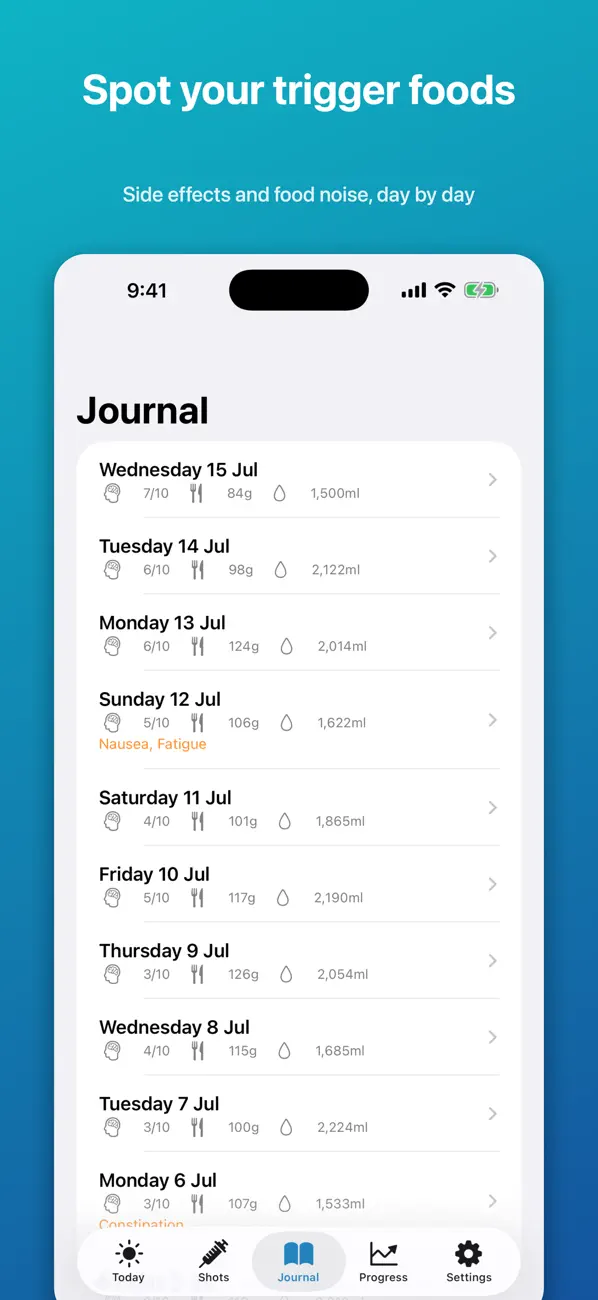
A clinician can make better use of an appointment when the important details are easy to find. That does not mean creating a perfect diary or diagnosing yourself from a chart. It means bringing a short, honest record of what happened since the last visit and the questions you want answered.
Record the routine, not just the result
Before the appointment, note the dates of recent injections and the instructions you were given. Keep the medication name and dose exactly as prescribed, and do not use a tracker to change a dose or schedule on your own. If a dose was delayed, missed or taken differently, record what happened so you can describe it accurately.
An injection-site log can also be useful to discuss with a clinician. Write down the site used and any local reaction you noticed. The purpose is a clearer conversation, not a new rule for where or how to inject; follow the instructions from your prescriber and the medicine’s official guidance.
Keep side-effect notes specific
“Felt bad” is difficult to interpret later. If you notice a symptom, record when it began, how long it lasted, how strong it felt and what else was happening that day. Include questions rather than trying to decide the cause yourself. Seek medical advice promptly for symptoms that concern you, and use urgent care or emergency services when appropriate.
You may also want to note appetite, food tolerance, hydration and energy in simple language. A short pattern can be more useful than a long stream of numbers. Do not force food or fluid targets that conflict with your clinician’s advice.
Bring the questions you keep postponing
Write questions as they occur instead of trusting yourself to remember them in the room. Useful prompts might include: “What should I do if I miss a dose?” “Which symptoms should prompt a call?” “How should I handle travel?” and “What should I bring to the next review?” The right questions depend on your medication and circumstances, so your clinician’s answer matters more than a generic checklist.
GLP-1 Companion: Shot Tracker is a private iPhone record for shot history, injection-site rotation, side effects, meals, protein and progress. It is a personal tracking tool, not medical advice, diagnosis or treatment. The app can help you gather your own notes before a visit, but it cannot tell you what dose to take or whether a symptom is safe.
You can see the GLP-1 Companion page, read its questions to ask your doctor guide, or download it from the App Store.
Make the record easy to show
Keep the date and context close to each note. If you export or share information, check what is included and who receives it. A private record should stay private unless you deliberately choose to share it. Bring the clinician’s instructions and official medication information alongside your personal notes when those are relevant.
The goal is a calmer appointment: recent events in one place, questions written down and enough context for a qualified professional to guide the next step.